
Super Film: production integration and sustainability in flexible packaging
One of the key approaches emerging in the transformation of the flexible packaging market is the ability to offer different film technologies within an integrated production structure. The processo is no longer driven solely by technical criteria, but also by environmental impact parameters.
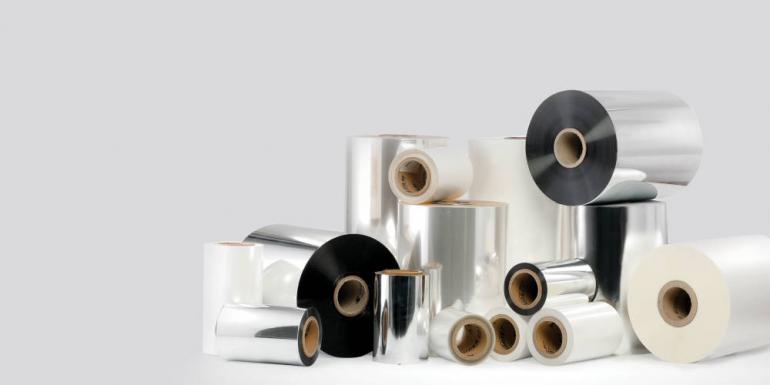
Super Film provides a comprehensive portfolio including BOPP, BOPET, CAST, metallized, and coated film solutions, addressing a wide range of applications. This integrated structure offers both operational efficiency and supply chain flexibility for flexible packaging converters.
The company’s product development approach goes beyond standard film production, focusing on application-specific solutions. Product groups such as pearlized films, high-opacity white cavitated films, label films, and metallized films are developed to meet the technical requirements of various industries. This diversity enables the delivery of optimized solutions tailored to specific customer needs.
Close to the European market
The integration of metallization, coating, and multi-layer co-extrusion technologies within the same production infrastructure allows barrier, optical, and surface properties to be optimized together.. This integrated approach provides significant advantages in terms of performance consistency and process efficiency, particularly in food packaging applications.
This technical capability is further supported by the company’s production capacity and strategic geographical positioning. The investment in Lüleburgaz strengthens Super Film’s manufacturing capabilities while providing proximity to European markets. With its modern infrastructure and efficiency-driven design, the facility plays a key role in ensuring operational continuity and supply reliability.
Supporting customers
In addition to its integrated production capabilities, Super Film supports its customers through a developing regional logistics network. Warehouse operations in Spain and Luxembourg are intended to improve service levels in these markets, particularly in terms of lead time management and supply planning. This structure is designed to enable customers to access products in alignment with their operational needs, while supporting supply continuity.
Further expansions in Germany and the United States are planned in line with market needs. These steps are part of an ongoing effort to strengthen proximity to customers and improve responsiveness, aiming to complement the company’s production capabilities with a more structured and reliable supply chain approach.

A certified sustainable company
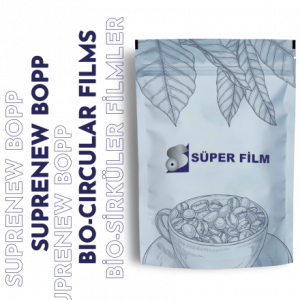
From a sustainability perspective, product design plays a critical role. Mono-material structures compatible with recycling systems are developed as alternatives to complex multi-layer constructions, improving recyclability performance. In addition, the integration of post-consumer recycled (PCR) materials into product structures contributes to resource efficiency. In these applications, performance requirements and sustainability targets are carefully balanced.
Sustainability is not limited to products but is managed as an integral part of the corporate structure and production processes. In this context, the company’s sustainability performance is evaluated by international platforms, and the EcoVadis Gold rating reflects its achievements in environmental, social, and governance (ESG) practices.
Furthermore, the LEED Gold certification of the Lüleburgaz production facility demonstrates the integration of energy efficiency and environmental design principles into the manufacturing infrastructure.
Product carbon footprint calculations are used as a key tool for measuring and managing environmental impacts. These assessments enable the analysis of emissions throughout the product life cycle and support the identification of improvement areas. At the same time, sustainability performance is reported in accordance with international standards and shared transparently with stakeholders.
A leading actor
In conclusion, competition in the flexible packaging industry is increasingly shaped by a holistic approach that combines product performance, technical expertise, and sustainability practices. An integrated production infrastructure, supported by advanced product development capabilities and verifiable sustainability initiatives, constitutes a key differentiating factor in the market.
This article appears in the Special: