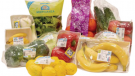


Environmental labeling: Italy accelerates packaging transparency
Data from the 7th edition of the IdentiPack Observatory by Conai and GS1 Italy reveals a growing trend: over 76% of packaged goods sold in large-scale retail now display packaging material codes on their labels

Throughout 2024, consumer product packaging continued to strengthen its informational role, especially regarding environmental impact. This is confirmed by the seventh edition of the IdentiPack Observatory, conducted by Conai and GS1 Italy, which biannually analyzes the presence of environmental information on labels of packaged products sold in Italian hypermarkets and supermarkets.
The analysis is based on over 145.000 product references digitized by GS1 Italy as of December 31, 2024, cross-referenced with NielsenIQ sales data. The result is a detailed snapshot of packaging transparency.
Environmental coding: +4.1% on shelves, +2.2% in shopping carts
In 2024, 52.5% of grocery products on shelves featured the packaging material code as per Decision 129/97/Ce, marking a 4.1% increase from the previous year. Even more significant is the figure for sold items: 76.6% of grocery products purchased by Italians included material composition labeling, up 2.2%.
These numbers confirm a solid trend: environmental labeling is no longer just a legal requirement but a strategic communication tool that influences purchasing decisions and strengthens trust between companies and consumers.
Frozen products lead the way
The rise in environmental coding spans all product categories. The frozen segment (ice cream and frozen foods) remains the most virtuous, with 64.5% of packages labeled and a 5.2% increase. It is followed by meat (59.8%), fresh products (58.6%), and dry grocery (57.6%). Fruits and vegetables and household care share fifth place at 53.4%, up 4.7%. Below the 52.5% average are seafood, personal care, pet care, and beverages.
Top-performing categories
Category-level analysis reveals standout performances. In ice cream, labeled packages rose from 64.7% to 73.4% (+8.7%), while frozen foods increased from 56.9% to 60.6% (+3.7%).
In the meat sector, sheep and goat products lead with 80% labeled references, followed by beef, poultry/rabbit, and pork. In fresh products, standout categories include fresh drinks, plant-based deli items, yogurt, sweet fresh goods, and ready meals, with the latter three showing the highest growth.
In dry grocery, pasta and seasonal products exceed two-thirds of labeled references, followed by Uht dairy (64.9%) and hot drink mixes (63.2%). The biggest gains were in canned animal products (+8.8%), health foods (+7.9%), and ready meals (+7.4%).
In fruits and vegetables, fruit reached 61.2%, while in household care, insecticides (65.3%), fabric care (62.1%), and laundry detergents (60%) stood out.
Awaiting European harmonization
In Italy, environmental labeling of packaging is governed by Legislative Decree 116/2020, which mandates material coding and disposal instructions for B2C packaging. All other information is optional. This system, considered effective and functional, will remain valid until August 11, 2028. From that date, Eu Regulation 2025/40 will take effect, introducing harmonized labeling for all packaging, excluding transport packaging and deposit-return items.