

Henkel for Royal Can Making Company: less Resources, more Efficiency
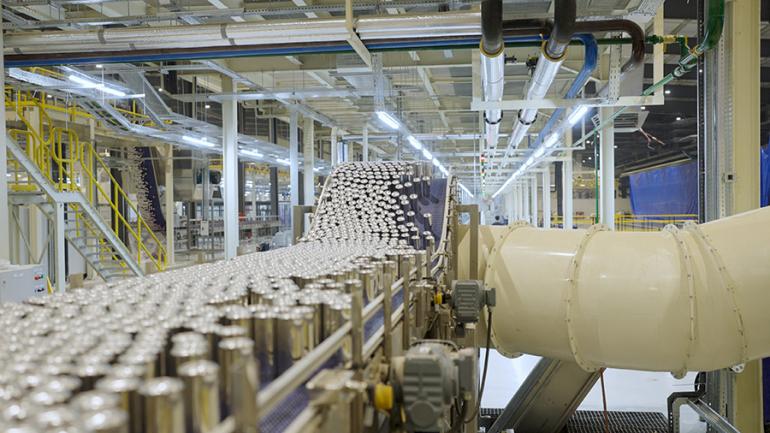
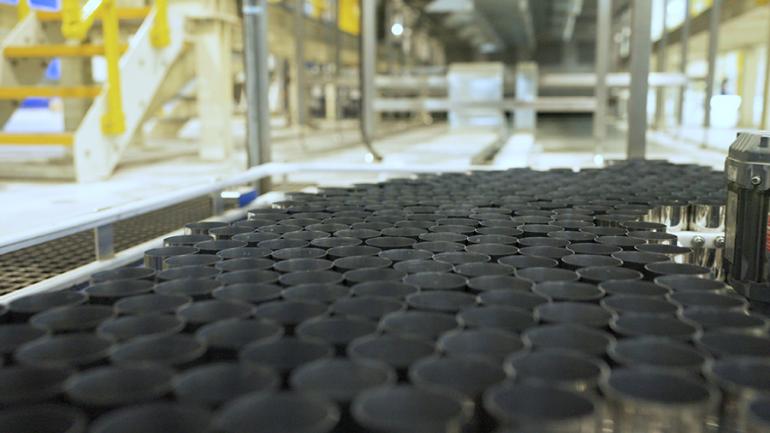
Royal Can Making Company, based in the Middle East, launched a comprehensive optimization project in 2024 at its Iraqi plant in Sulaymaniyah, dedicated to the production of aluminum beverage cans. The objective was to reduce water and chemical consumption, decrease aluminum scrap and measurably increase overall production efficiency without compromising quality or output.
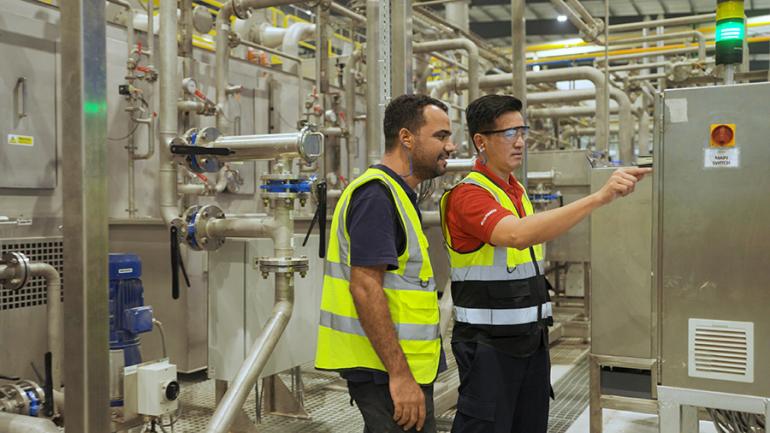
As a close partner in the initiative, Henkel Adhesive Technologies first conducted a detailed analysis of all settings, flow rates and consumption values, as well as their interactions. This was complemented by an in-depth assessment of production conditions specific to the site’s location.
Systematic analysis: audit and benchmarking
The starting point of the project was a comprehensive audit of procedures. The aim was to identify high-impact measures with minimal disruption to ongoing production. Consumption data and process parameters along the line were analyzed and specific target values for water, chemicals and aluminum were defined. Priority was given to adaptations that could be implemented without unscheduled production shutdowns, promised measurable effects quickly and would establish a stable foundation for further optimization.
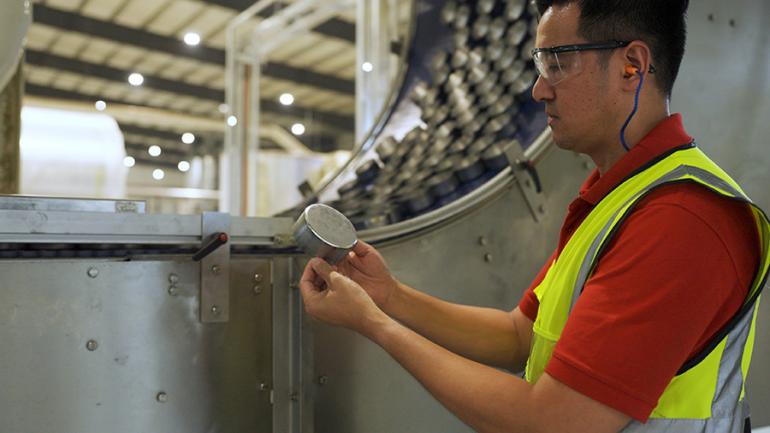
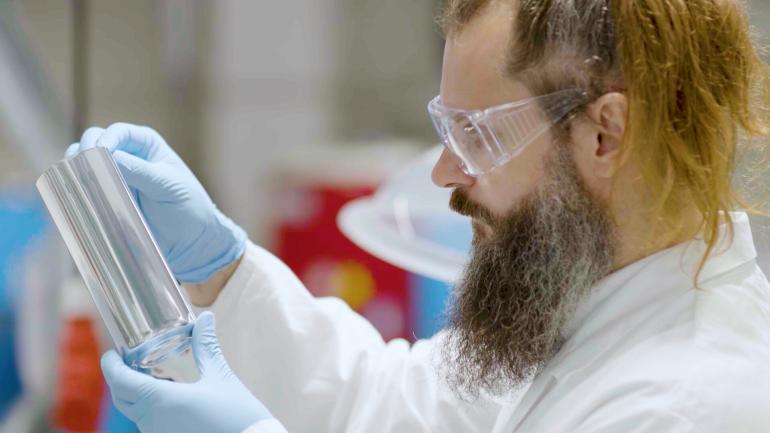
After ensuring that the pre-treatment of all aluminum coils was carried out uniformly using a Henkel Post Lubricant, subsequent process steps could be analyzed and optimized. Maintaining an appropriate film weight of the cupping lubricant Henkel Bonderite L-FM SNL 50-E significantly improved can quality. The audit also included monitoring flows, returns and fluid supply, followed by their optimization. Blockages were eliminated, returns improved and configurations adjusted to avoid unnecessary product losses. These measures made a significant contribution to reducing chemical consumption. As Iraq experiences climate fluctuations from around 10°C in winter to over 40°C in summer, another key step was identifying the optimal operating temperature for the production process. Analyses showed that the ideal level varies depending on the products processed and typically falls within a range of 42 to 46°C. Across all setups, maintaining a stable operating window with a ±1°C variation remains critical to ensure efficient performance with the biostable metal forming lubricant Henkel Bonderite L-FM450. Further optimization steps have already been prepared as part of the ongoing collaboration. These include the use of Henkel’s Low Temperature Cleaner and Mobility Enhancer, aimed at further reducing energy and resource consumption. Both solutions are already on site for initial production testing and implementation in the next project phases.
Results beyond expectations
The efficiency and environmental performance achieved at the Sulaymaniyah site exceeded the shared objectives. The 2024 data showed substantial reductions across all key resource streams, accompanied by a measurable decrease in the site’s carbon footprint. Chemical consumption decreased by 78 tonnes, while water consumption was reduced by 25 million liters. Aluminum scrap was cut by 119,000 kilograms, resulting in a saving of 1.8 million kilograms of CO₂ compared to the previous year. Reduced chemical use enabled an additional decrease of 73,000 kilograms of CO₂.
Beyond the quantifiable results, greater process stability in daily operations was observed. Improved can quality, more consistent process flows and optimized settings enable the production team to maintain the achieved standards over the long term.
Building on the success achieved in Sulaymaniyah, Royal Can Making Company has replicated the same model at its Baghdad plant.