

Luxury packaging: the new guidelines from the Italian Institute of Packaging
Presented at Luxe Pack 2025, they provide an essential reference framework for the industry
Luxury is a sector where aesthetics and attention to detail are non-negotiable. Sophisticated and unconventional materials, premium finishes, and meticulous craftsmanship often push boundaries beyond those typically defined by sustainability, despite the industry’s strong commitment to upholding its principles.
For luxury packaging, the ‘green’ dimension is often a core value sought after by brands, responding to highly discerning consumers. These customers expect products that embody excellence in quality, distinctiveness, innovation, and ethical value.
With the Packaging and Packaging Waste Regulation (PPWR), sustainability requirements have become more stringent, setting measurable and tangible parameters – from recycled content percentages and approved formats to a regulatory timeline that establishes 2030 as a first crucial milestone. This regulatory framework calls on the luxury supply chain to undergo a profound transformation in terms of materials, packaging design, and end-of-life management, while maintaining the allure that makes luxury packaging the first step in the consumer’s high-end brand experience.
In this context, the Italian Institute of Packaging presented at Luxe Pack Monaco 2025 a preview of the Guidelines for environmental management in the Luxury Packaging Supply Chain, developed by its Luxury Packaging Commission. This document serves as an essential compass, aligning regulatory requirements with the needs of a sector whose strength lies precisely in its uniqueness. The Institute’s publication provides a comprehensive technical and strategic framework designed to support companies in their transition towards more responsible production models, without compromising on aesthetics, craftsmanship, or exclusivity.
The key players at Luxe Pack
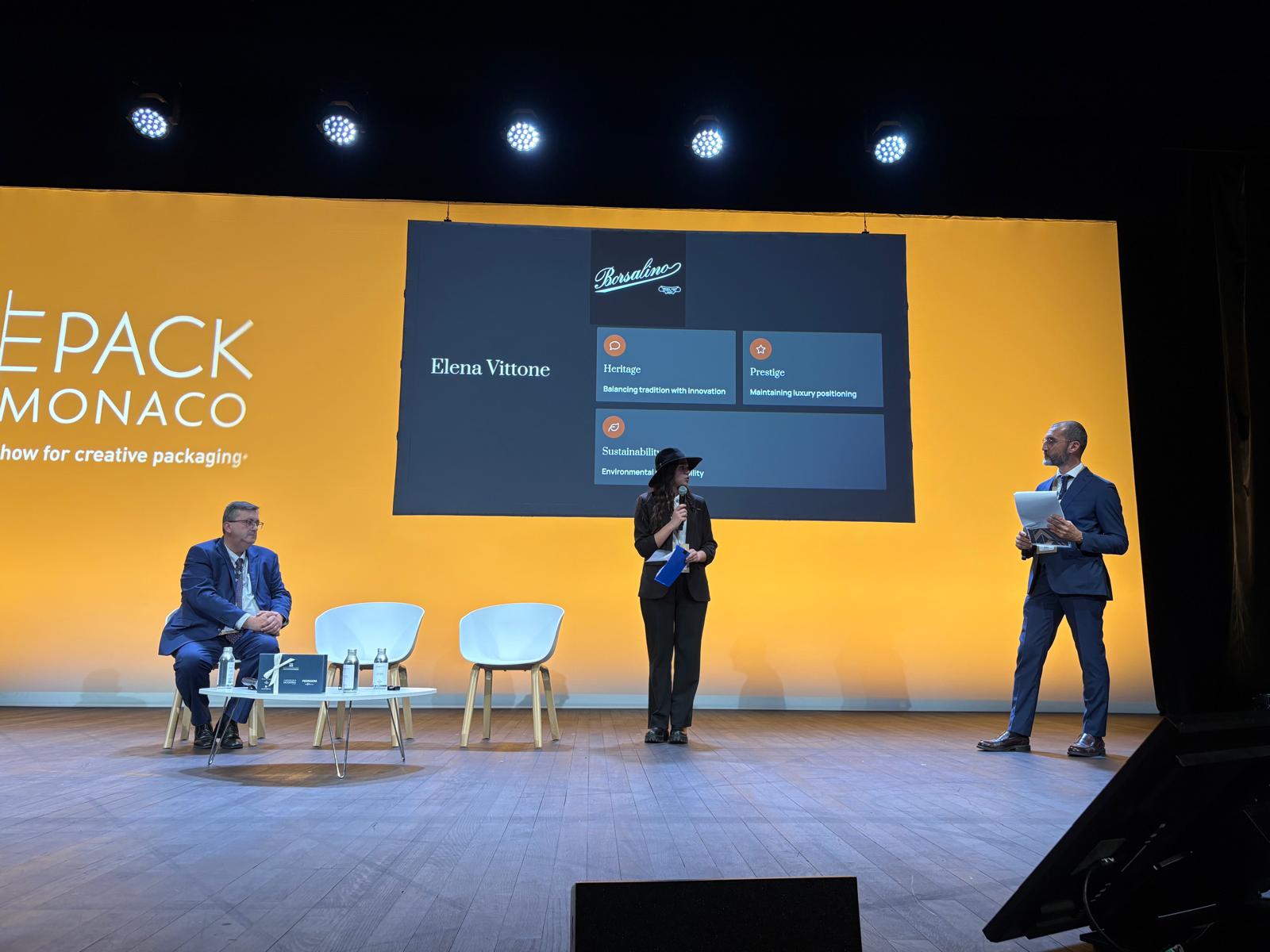
At the talk held by the Institute during Luxe Pack, several of the key contributors involved in the development of the Guidelines shared insights into the project, illustrating to an audience of industry professionals the background and evolution of this essential tool.
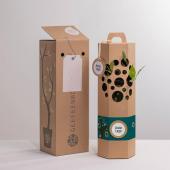
Massimo Zonca of Fedrigoni presented a case study in eco-design carried out with the support of the Commission. The project involved the redesign of a cardboard package which, according to an EcoVadis assessment, achieved a 54% reduction in CO₂ emissions compared with a standard packaging solution.
“The brand’s participation in the Commission”, noted Elena Vittone of Borsalino, “represents a conscious and forward-looking choice, a commitment to building a new culture of packaging, where heritage, prestige, and sustainability coexist seamlessly”.
“Our goal”, explained Marco Scatto, Coordinator of the Commission and one of the speakers at Luxe Pack, “is to support the supply chain in reconciling luxury and sustainability, translating European directives into concrete and shared tools. The Guidelines are designed to be practical, flexible and adaptable to different corporate contexts”.
A tool for enterprises
The Guidelines provide companies with clear principles, establish a shared language, and define a common framework to pursue a cross-sector objective: reducing environmental impact while preserving the symbolic and emotional value that defines Italian luxury.
This initiative, addressed to both industry players and international brands, confirms – through the strong interest it has generated – Italy’s role as a leader in innovation within the high-end packaging market, a sector that combines aesthetic excellence with environmental responsibility.