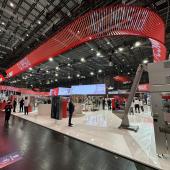


IMA and Schneider Electric: mapping the (traced) path to sustainability
The leading packaging machinery group and its long-established partner stand at the centre of an ecosystem committed to minimising environmental impact
Sustainability has become a strategic asset for leading OEMs, a sector where growth can no longer ignore key factors such as reducing the carbon footprint and minimising the environmental impact of machinery throughout its entire life cycle. This calls for an urgent rethinking of the innovation paradigm, increasingly demanded by consumers, end users, regulatory frameworks - starting with ESG (Environmental, Social and Governance) compliance - and, consequently, by the market itself. IMA Group, a global leader in the design and manufacture of packaging machinery for the food, pharmaceutical and cosmetics industries, has successfully turned sustainability into a genuine driver of growth. The Group has embedded this value at the core of its business model, not only as a distinguishing factor, but above all as a means of risk mitigation and corporate resilience.
The technology driven by responsibility
IMA’s mission is to invest in technologies that improve quality of life, minimise waste, and operate with respect for both the environment and people. All of this is reflected in IMA Sustainability, a corporate programme aimed at developing products, production processes and services based on sustainable principles. One of the core areas of development within IMA Sustainability focuses on product quality and responsibility, with the goal of offering customers innovative solutions that help them advance while reducing environmental impact, through machinery designed to be both safe and sustainable. In this context, IMA developed an important project within BI-REX, the Bologna-based Competence Center, aimed at performing the Life Cycle Assessment (LCA) of the machinery involved, in full compliance with international standards. Specifically, IMA carried out both a static analysis, based on the weight and materials of the components, and a dynamic assessment measuring energy, water and compressed air consumption across the various operating phases of the machine. The goal: to enable a comprehensive EcoDesign review. This pathway is strengthened by the partnership between IMA Group and Schneider Electric - recognised twice as the most sustainable company in the world for its strong adherence to ESG principles - founded on a shared vision of sustainability. Through its Environmental Data Program, Schneider Electric provides transparent data on energy consumption, the environmental impact of its technologies, and the raw materials used in the energy control and automation solutions supplied to IMA. The Sustainability Tool - a platform that calculates the environmental impact of electronic devices (and more) in industrial machines throughout their entire life cycle, starting from the Bill of Materials - enables Schneider Electric to deliver a customised static sustainability report for each component. IMA, in turn, can integrate both static and dynamic data into reporting functionalities right from the design phase of its plants, ensuring that its clients comply with sustainability regulations while achieving reductions in both energy consumption and operating costs.
An impact benefiting the entire industrial system
Building on its experience in designing highly energy-efficient plants, and leveraging an ecosystem of companies where it acts as both a driving force and central hub for sustainability within the OEM sector, IMA Group has contributed to the drafting of the Product Category Rules (PCRs) underpinning the Environmental Product Declaration (EPD), which serve as the reference standard for the packaging machinery industry. This prestigious contribution allows IMA to make a real difference and to work towards a future in which environmental responsibility and quality of life become increasingly decisive factors in any growth strategy.
This article appears in the Special: