

Evolving without losing identity
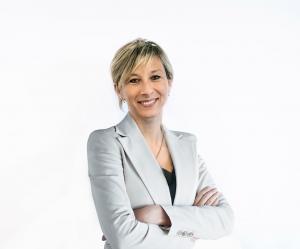
Wittenstein Italia is celebrating 25 years in the Italian market. What did the company look like at the very beginning, and what has it evolved into today? Alessandra Suriano, Communication Manager of the Italian subsidiary of Wittenstein SE, a European company operating in the field of precision automation, tells us the story.
Milena Bernardi
Reflecting on Wittenstein Italia’s 25 years in business offers a fascinating insight into the remarkable pace of technological evolution over the past quarter of a century. It is a journey that began in mechanical engineering and is now firmly focused on mechatronics, digitalisation and new fields of application, with a growing emphasis on packaging. Perhaps the clearest indicator of the Italian subsidiary’s expansion is its turnover, which has grown from €7 million in 2001 to its current €42 million.
If you had to describe the transformation the company has undergone over the past 25 years in just a few words, where would you begin?
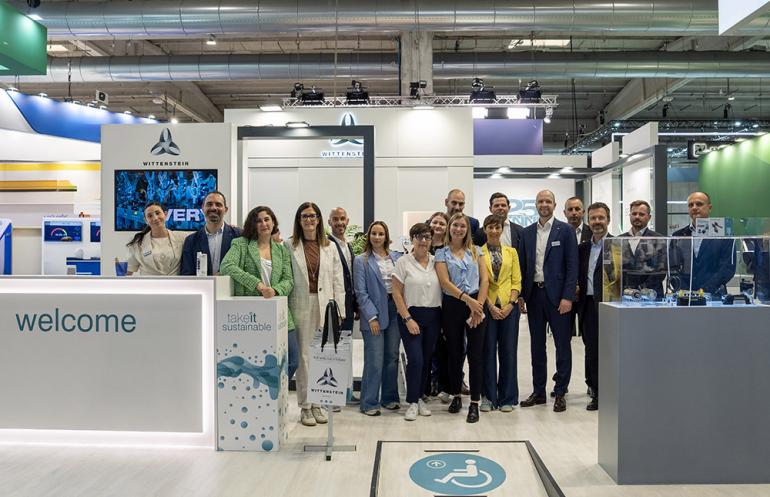
I would start with the fact that we began operating in a very different context to today’s. In the beginning, our focus was almost exclusively on planetary gearboxes and pure mechanical engineering. Over the years, however, the group has expanded, and our technological portfolio has evolved alongside it. A key milestone came in 2008, when, following a reorganisation, the various divisions were brought together under a single brand. This created a more structured organisation capable of bringing a much broader range of solutions to the market. At the same time, the Italian subsidiary also grew, expanding both its internal expertise and its nationwide footprint. Today, we can count on a team of around 60 people supporting customers across multiple application areas, while maintaining a strong focus on technical consultancy.
From mechanical engineering to mechatronics. How important has this transformation been?
It has been fundamental. Mechanical engineering remains our heritage and our greatest strength, but market demands have changed profoundly. Today, machine manufacturers require increasingly integrated systems that do not just transmit motion, but also generate data, communicate with control systems and help improve the performance of the entire machine or plant. For this reason, over the years we have expanded our offering to include brushless motors, drive systems and complete mechatronic solutions.
How is this evolution reflected in your systems in practical terms?
Take our gearboxes with integrated sensors, for example. By collecting and processing data, it is possible to monitor the health of the component, check its operational behaviour and identify any anomalies before they turn into real problems. This approach allows us to move from a purely reactive model to a preventive one, helping to reduce machine downtime and improve the overall efficiency of the plant. Today, a component no longer simply performs a mechanical task. It provides valuable information to optimise the performance, reliability and operational continuity of the machinery.
Packaging was not one of your traditional markets. How did you come to enter this sector?
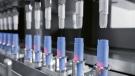
Historically, our core market was the machine tool industry. The evolution of technology and the changing needs of machine manufacturers gradually led us into new application areas such as packaging, which is one of the most dynamic and technologically sophisticated sectors. Packaging machines require increasingly high levels of precision, reliability and flexibility, requirements that align perfectly with the expertise the company has developed over the years. Added to this is an evolution in regulations and design requirements that directly affects manufacturers. Consider, for instance, applications in the food and beverage and pharmaceutical sectors, where hygiene, cleanability and corrosion resistance play a decisive role. To meet these needs, we have developed specific solutions such as the Corrosion Resistant and Hygienic Design gearbox lines, which are engineered to operate in environments subject to frequent washdowns and the use of aggressive detergents. These products allow manufacturers to meet regulatory requirements without compromising on performance.
In this context, how important is service compared to the product itself?
Product and service are increasingly intertwined. Companies are no longer simply looking for a high-performance component, but for a partner capable of supporting them throughout the entire life cycle of the machine. Wittenstein has invested heavily in developing a dedicated technical support and service structure. We have specialised personnel who handle both maintenance and repair activities and preventive component analysis. Our approach is not limited to solving problems when they arise, but involves collaborating with the customer from the earliest design stages. The goal is to jointly identify the most suitable solution for the application, optimise its performance and ensure maximum long-term reliability.
In an increasingly competitive market, how important is a widespread presence across the country?
Closeness to the customer is one of our defining characteristics. Thanks to a sales network covering the entire country, we can guarantee direct contact and continuous support, drawing on our deep understanding of different local manufacturing contexts. This widespread presence enables us to grasp application needs more quickly, support customers in their design choices and identify effective solutions, even in particularly complex or urgent situations. It is an approach that has helped us build solid, lasting relationships over the years.
In recent years, the market has had to deal with the pandemic, supply crises and severe geopolitical tensions. What has changed in the way companies do business?
The biggest transformation concerns the speed at which the market now evolves. In recent years, companies have had to operate in environments marked by sudden and often unpredictable changes, requiring a constant ability to adapt. In this scenario, speed of response has become a strategic factor. Being able to reorganise activities, redefine priorities and support customers and partners promptly is now essential. To achieve this, companies need efficient processes, consolidated expertise and increasingly close collaboration throughout the supply chain. It goes without saying that competitiveness is no longer measured only by product quality, but also by the ability to interpret market needs quickly and turn them into concrete solutions.
If you had to identify the true legacy you have built up over these 25 years, what would it be?
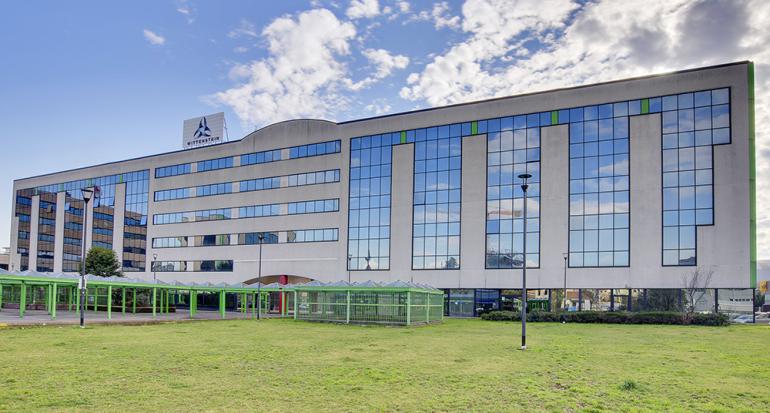
People. Beyond the technological aspects, our company’s growth has been made possible by the contribution of the people who, over time, have built expertise, strong relationships and trust within the market. That is why we continue to invest in training, professional development and the involvement of new generations. We see this as essential for facing future challenges and continuing to grow while preserving our identity.
Looking to the future, where will your main development priorities lie?
We will continue to invest in innovation and research, which have always been core pillars of the group’s strategy. We aim to continue along the path of integration between mechanical engineering, electronics and software, developing increasingly intelligent solutions focused on the collection and use of data. At the same time, we are looking with interest at new application areas such as batteries, advanced medical technology, agriculture and other emerging sectors, while continuing to maintain a strong focus on the industries that have accompanied our growth.
How does your motto “one with the future” translate into concrete business choices?
Every choice we make is guided by our corporate values, which are an essential part of our identity and underpin everything we do. These include responsibility towards our future and society, openness to new market challenges and embracing diversity, which we see as a source of enrichment. They also include technological and social change, which we consider essential for promoting development and ensuring lasting success. All these values are reflected in our motto: “one with the future”. A concrete example is our commitment to training the younger generations who will play a leading role in the years to come. We support secondary schools and work with associations and universities to share the know-how we have built up and inspire a desire to remain innovative.
If you had to sum up in one sentence what distinguishes Wittenstein Italia in the market today, what would you say?
Without question, our commitment and ability to develop customised solutions. Today more than ever, every customer is unique, and it is essential to understand their specific requirements in order to deliver exactly what they need. One of our key strengths is our ability to keep pace with rapidly evolving market dynamics.