


The mini cosmetics market is growing
Small formats are winning over Gen Z and travel retail: sales are rising and innovative packaging is emerging
Until a few years ago, mini cosmetic formats were mainly seen as a complement to the main product range: samples included in orders or travel-size versions designed for convenience. Today, however, their role is changing significantly. Mini formats are establishing themselves as an independent market segment, growing rapidly, driven especially by younger consumers. According to a 2025 report by Circana, the mini cosmetics segment in the United States saw a 13% year-on-year increase in sales.
Market Response
Major retailers are responding to this trend by expanding their offerings. In the United States, Ulta Beauty has gradually increased its range of mini and travel-size formats, while in various European countries Sephora has adopted similar strategies to meet the needs of beauty consumers. In the United Kingdom, Superdrug reported that its “Mini Studio” line saw a 54% sales increase in 2025, reaching a value of approximately £211,000 compared to the previous year.
Mini formats are no longer seen simply as a convenience for travel or on-the-go use; they offer an accessible way to try trendy products and discover new brands at affordable prices.
Innovation and Strategic Packaging
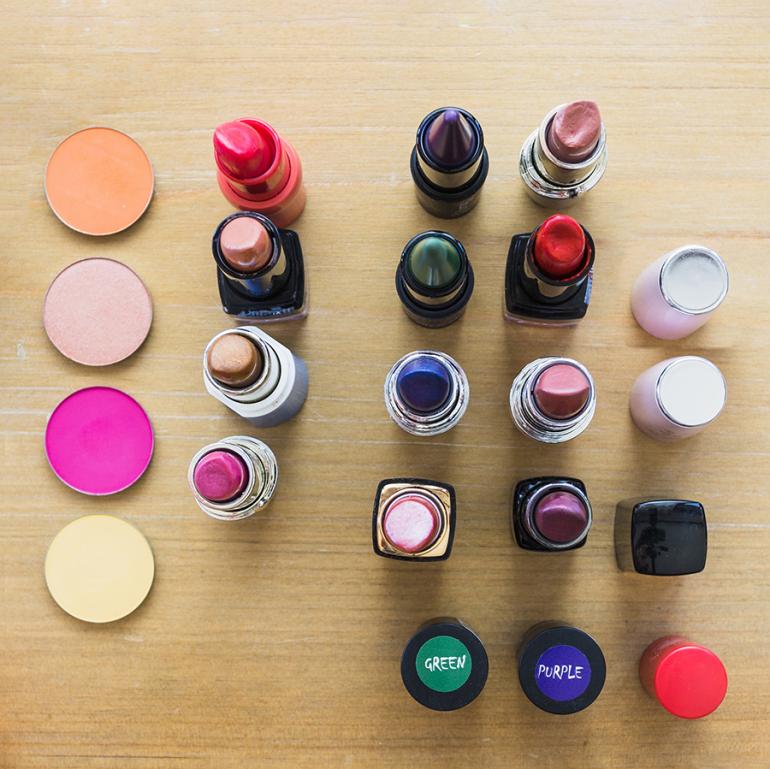
On the innovation front, packaging companies are developing new solutions to meet this demand. At the end of 2025, for example, Asquan launched a line of mini makeup products including lip gloss and lip balms in reduced sizes, as well as mini tubes with precision applicators for easier use.
Cosmogen, a specialist in packaging solutions, has created mini lipstick containers for premium brands within the L’Oréal Group, including Valentino Beauty, Lancôme, YSL Beauty, Armani Beauty, and Prada Beauty. This strategy allows brands to offer collections in multiple shades at more accessible prices, particularly meeting the expectations of Generation Z, who value the ability to own several shades at a lower cost than full-size products.
Mini formats are therefore increasingly seen as a viable alternative to single-use samples, which are expected to decline in stores-and to full-size products, which can limit the trial and experimentation experience.