Rethinking food: how italians are adapting in uncertain times
The Coop 2025 Report – Consumption and Lifestyles of Italians Today and Tomorrow – provides an updated snapshot of the country within a global context marked by economic uncertainty, international tensions, and rapid social change.
Five years after the pandemic, the world remains complex and challenging. Economic, social, and technological transformations continue to reshape priorities and behaviors, demanding rapid adaptation from both businesses and citizens. Yet even in this uncertain context, opportunities and innovations are emerging, with artificial intelligence at the forefront, driving efficiency, sustainability, and new business models. Citizens and opinion leaders, while fully aware of the risks posed by international conflicts and climate change, are beginning to identify solutions and place resilience at the center of their approach. There is hope that Albert Einstein was right when he said: ‘The crisis is the greatest blessing that can happen to individuals and nations, because it brings progress.”
The age of global chaos
Today’s world is becoming increasingly turbulent: wars and military spending are on the rise, with global defense expenditure projected to reach $2.7 trillion in 2024 (+17% compared to 2022), and the balance of power among nations is shifting. American leadership is being challenged, while China (+5% GDP) and India (+6% GDP) continue to strengthen their economic growth. Technology—particularly AI and space capabilities—is becoming a multiplier of global economic progress, with potential annual GDP gains of 20–30%. In Europe, despite its economic and commercial weight, incomplete governance limits full effectiveness. Italy’s economy shows some resilience, but opinion leaders identify geopolitics, social fragility, climate change, and public debt as the country’s main risks, which are reflected in their economic forecasts for 2026.
The new mood of italians
Italians’ perception of the future is changing dramatically: fear has risen from 20% to 39%, unease from 24% to 37%, and alertness by 25%, while feelings of calm (34% → 24%) and trust (27% → 24%) have declined. About half of Italians accept the possibility of armed conflict. Top priorities include peace and civil rights (64% of respondents), fighting poverty (55%), and reducing inequality (62%). Social values are evolving: honesty and respect are increasingly important, while aspirations for wealth and social success are declining. At the same time, interest in spirituality and tradition is growing, and a widespread appreciation for the past remains evident: seven out of ten Italians believe the world used to be a better place.
Consumption: pragmatism and de-consumption
Italians are cutting back on non-essential consumption, prioritizing savings and sustainability. In 2024, overall spending grew by only 0.5% compared to five years earlier, with more than half allocated to mandatory expenses (housing, utilities, transportation, and food). Saving remains a primary driver for 42% of Italians, while the trend toward de-consumption is increasing: second-hand purchases and repairing items are replacing the desire for ownership. Even technology purchases (+1.2% per year) are focused on utility and functionality rather than indulgence.
AI enters the home
At the same time, Italians are learning to integrate artificial intelligence into their daily lives. For 49%, its primary use is in the private sphere, while only 23% apply it at work. AI is perceived as more reliable than social media for time management and, looking ahead, is envisioned as a true domestic assistant: 45% of respondents would use it for household cleaning, 25% for elder care, and 24% for driving and meal preparation.
Food is changing
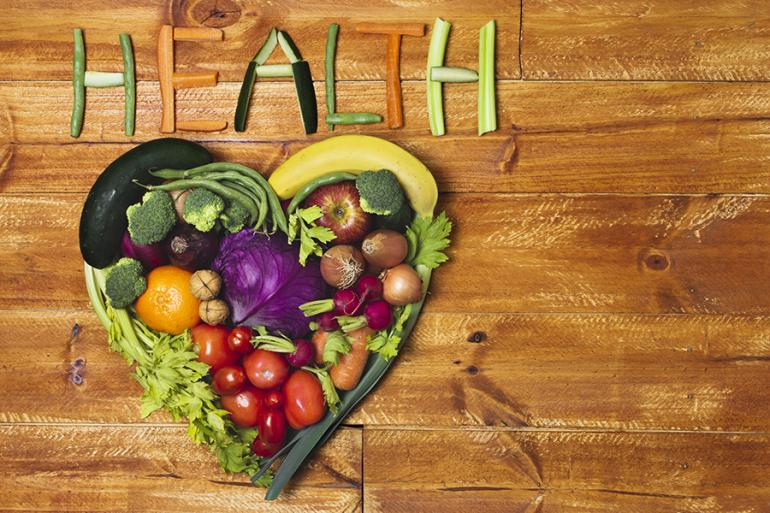
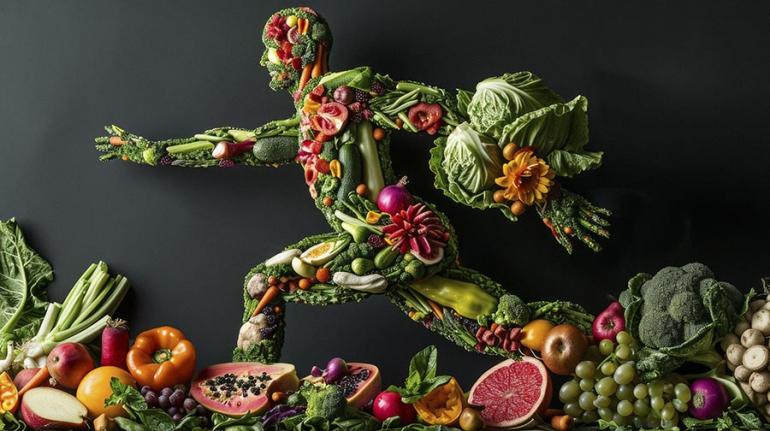
In a time of profound transformation, Italians are redefining their relationship with food, which remains central to everyday life. Compared to 2022, the share of those sticking exclusively to traditional diets has fallen from 34% to 22%, while those embracing innovative habits have risen from 23% to 31%, and those combining tradition with innovation from 30% to 38%. Home-cooked meals are on the rise once again: in the first half of 2025, spending on dining out dropped by 2.2%, with one in three Italians expecting further spending cuts. Meanwhile, supermarket sales are growing—up 3.8% in value and 2% in volume—driven primarily by fresh fruit, vegetables, and other fresh goods. Health has climbed to the top of Italians’ priorities. Seven out of ten regularly read nutritional labels, and ultra-processed foods are losing appeal: sales decline as the number of additives on the label increases. Organic products are also experiencing strong growth, with 8.4 million Italians planning to increase their purchases. High-protein diets involve 17% of the population, with a significant rise in plant-based meat substitutes (+20.9%, ten times higher than meat), followed by eggs (+7.8%) and legumes (+5%). Despite food inflation being lower than the European average, income pressures continue to drive demand for affordability. Consumers are shopping less at discount stores (+1.8% by volume) and and increasingly turning to supermarkets offering promotions and private-label products (+2.7%). Large-scale retail will need to respond to these new habits, focusing on product and process innovation (53% of food & beverage managers say), appropriate workforce policies (36%), strategic partnerships, and AI integration, which is expected to potentially boost productivity by 20% over the next 10 years

A conscious drinking style
Drinking culture in Italy is evolving, particularly among younger generations: an increasing number of people are choosing non-alcoholic beers, wines, and spirits without sacrificing taste or social enjoyment. This is not about enforced abstinence, but about freedom of choice: 15.4 million Italians prefer a no-alcohol beverage even when they could consume alcohol. The numbers confirm this trend: while traditional alcohol consumption is slowing, the low- and no-alcohol segment is growing rapidly. Forecasts for 2024–2029 (+20.3%) indicate double-digit growth in major European markets, showing that moderation is becoming a structural shift in consumption habits.
The food industry outperforms large-scale retail
In 2024, the Italian food industry maintained stronger margins compared to large-scale retail (GDO), independent of sales volume and revenue.” The organized retail sector closed the year with €82.9 billion in revenue, up 2.8% compared to 2023, while the food industry reached €80.6 billion, with an increase of 2.2%. Despite similar revenue figures, operating margins reveal a clear gap: GDO’s EBITDA fell to 4.8% (from 5.3%), while the food industry’s EBITDA rose to 7.9% (from 7.6%), strengthening the producers’ competitive advantage.